What is AI detection and how does it work?
AI detection is the process of identifying whether text was generated by artificial intelligence. Detection tools analyze writing patterns, sentence structures, vocabulary choices, and linguistic features to determine if content is AI-generated. Understanding these detection mechanisms is essential for learning how to bypass AI detection effectively.
How can I bypass AI detection effectively?
To bypass AI detection, you need to transform AI-generated text into natural, human-like content. This involves text humanization techniques including sentence restructuring, vocabulary variation, writing style adaptation, and natural language processing. Using specialized tools that apply these methods can help you consistently bypass AI detection systems and content verification platforms. Try our Humanize AI Text, Make AI Text Human, or Humanize AI Undetectable.
What methods work best for bypassing AI detection?
The most effective methods for bypassing AI detection include text rewriting with varied sentence structures, vocabulary replacement with more natural language, writing style modification to match human patterns, and content authenticity enhancement. Combining these techniques with specialized humanization tools provides the best results for making content undetectable by AI detection systems. Use our AI Content Rewriter or Paraphrasing Tool.
Can I bypass all AI detection tools?
While no method guarantees 100% success, effective humanization techniques can help you bypass most major AI detection tools including GPTZero, Copyleaks, Turnitin, Scribbr, Sapling, and others. The key is using comprehensive text transformation methods that address multiple detection factors simultaneously, ensuring your content passes content verification across different platforms. Verify with our AI Text Detector or ChatGPT Detector.
Is it legal to bypass AI detection?
Bypassing AI detection for legitimate purposes such as improving content quality, ensuring originality, or adapting AI-generated text for human use is generally acceptable. However, it's important to use these methods ethically and in accordance with academic or professional guidelines. Always verify the policies of your institution or organization regarding AI-generated content.
What tools can help me bypass AI detection?
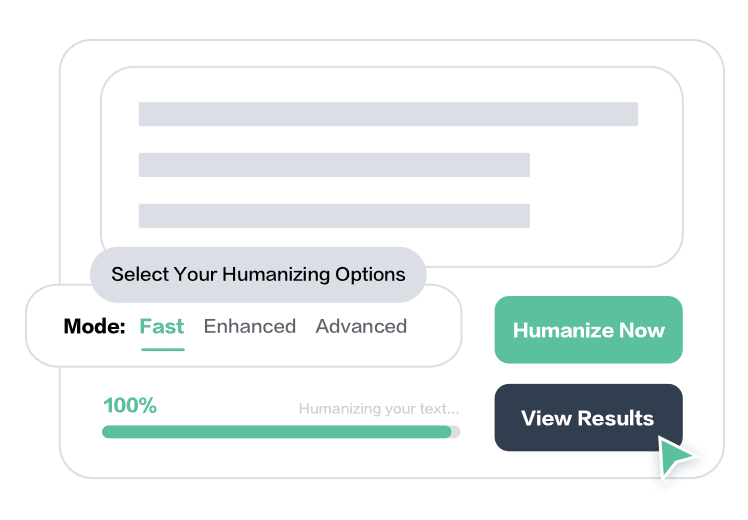
Specialized AI text humanization tools can help you bypass AI detection effectively. These tools use advanced algorithms to transform AI-generated text into natural, human-like content through text rewriting, sentence restructuring, vocabulary variation, and writing style adaptation. Look for tools that offer multiple humanization modes and verify results across different detection platforms.
How long does it take to bypass AI detection?
The time needed to bypass AI detection depends on the method used and the length of your content. Automated humanization tools can process and transform text in seconds, while manual rewriting may take longer. Using specialized tools with multiple modes allows for quick and effective content transformation to bypass AI detection systems.
Will bypassing AI detection change my content's meaning?
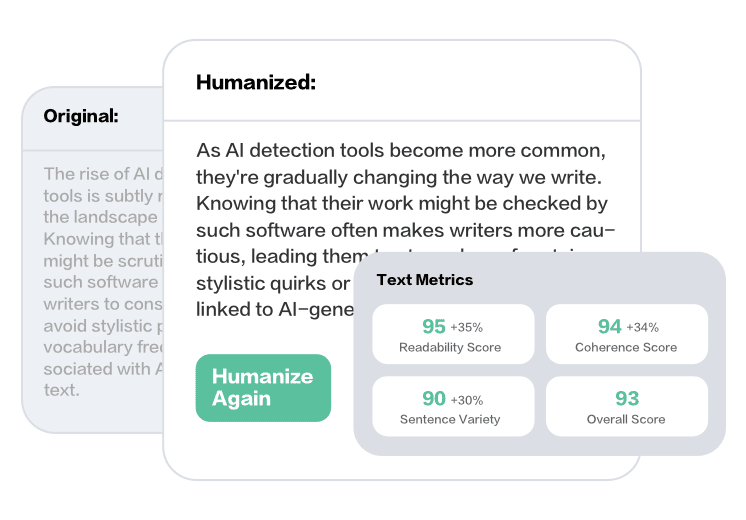
Effective AI detection bypass methods should preserve your content's original meaning while transforming its structure and style. Good humanization tools focus on text rewriting, vocabulary variation, and sentence restructuring without altering the core message, ensuring your content remains authentic while becoming undetectable by AI detection systems.
Can I verify if my content bypasses AI detection?
Yes, you can verify if your content bypasses AI detection by testing it across multiple detection platforms including GPTZero, Copyleaks, Turnitin, Scribbr, and other major AI detectors. This content verification process helps ensure your humanized text successfully passes detection and maintains authenticity across different platforms.
What makes content detectable by AI detection tools?
Content becomes detectable by AI detection tools due to consistent writing patterns, repetitive sentence structures, predictable vocabulary choices, and lack of natural variation. AI-generated text often exhibits these characteristics, which detection systems identify. To bypass detection, you need to introduce natural variation, varied sentence structures, and human-like writing patterns through text humanization and content transformation methods.










































 Text Humanization Techniques
 Advanced Bypass Strategies
 Free Bypass Tools

 February 04, 2026