What is the difference between plagiarism and AI-generated content?
Plagiarism involves copying content from existing sources without proper attribution, while AI-generated content is text created by artificial intelligence tools. Both violate academic integrity but in different ways. Our Academic Plagiarism Detection tool identifies both issues, helping educators catch all forms of academic dishonesty.
How does the Academic Plagiarism Detection tool work?
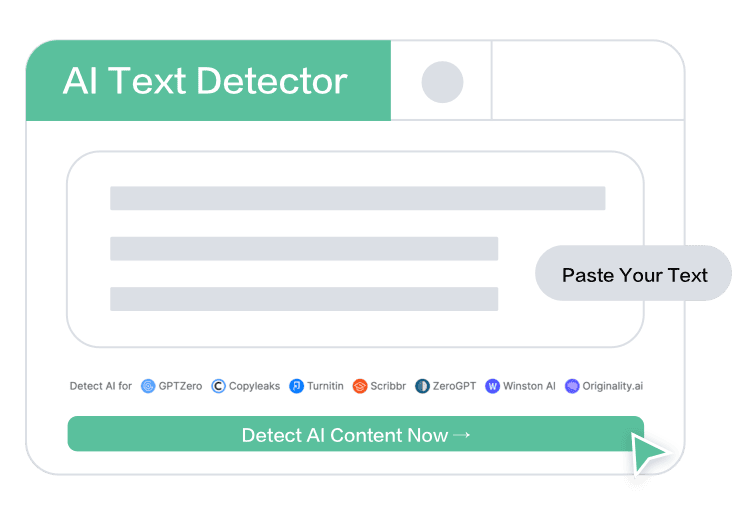
Our tool uses dual detection systems: it scans academic submissions against online sources to identify plagiarized content while simultaneously analyzing writing patterns to detect AI-generated text. This comprehensive approach ensures all forms of academic misconduct are identified in one analysis. For comprehensive checking, use our Academic Integrity Checker or AI Plagiarism Checker.
Can the tool detect both direct plagiarism and paraphrased content?
Yes, our Academic Plagiarism Detection tool can identify both direct copying and paraphrased content that may be plagiarized. It also detects AI-generated text regardless of whether it's original or based on existing sources, providing comprehensive academic verification.
What types of academic misconduct can the tool detect?
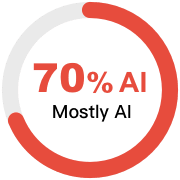
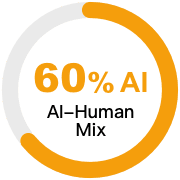
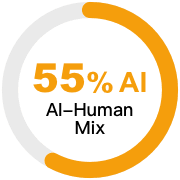
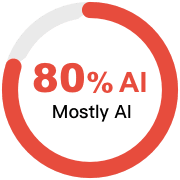
The tool detects multiple forms of academic misconduct including direct plagiarism, paraphrased plagiarism, AI-generated content, and mixed content (partially AI-generated with some original writing). This comprehensive detection helps educators address all integrity violations.
How accurate is the plagiarism and AI detection?
Our Academic Plagiarism Detection tool uses advanced algorithms for both plagiarism scanning and AI pattern recognition. The tool provides high accuracy in identifying copied content and AI-generated text, though results should be reviewed by educators as part of a comprehensive integrity verification process. For general detection, try our AI Text Detector.
What sources does the plagiarism checker scan?
The plagiarism detection scans against a comprehensive database of online sources, academic papers, publications, and web content. Combined with AI detection, it provides thorough verification of academic submissions for both traditional plagiarism and modern AI-generated content. To remove plagiarism, use our AI Plagiarism Remover.
Is there a minimum length requirement for detection?
For optimal results, we recommend using at least 50 words. While the Academic Plagiarism Detection tool works with shorter text, longer academic documents provide more data points for analysis, resulting in more accurate detection of both plagiarism and AI-generated content.
How quickly does the tool provide results?
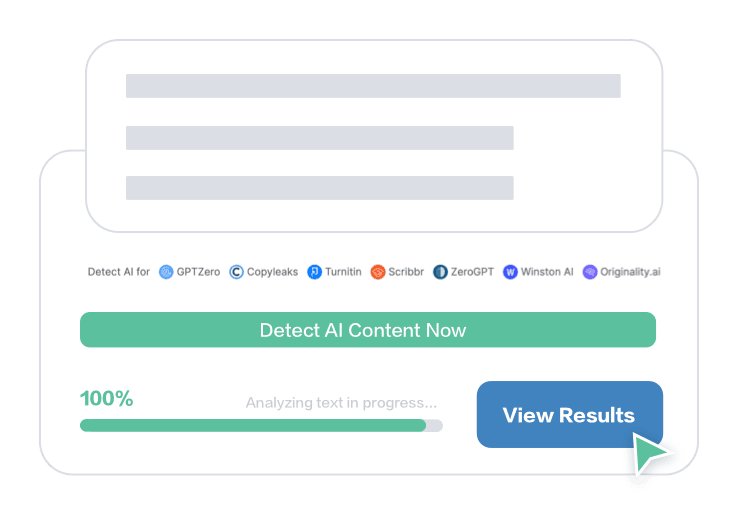
The Academic Plagiarism Detection tool provides comprehensive results in seconds, regardless of document length. Our tool is optimized for fast processing, allowing educators to quickly verify academic integrity without delays.
Is student work kept confidential?
Yes, student privacy is our top priority. The Academic Plagiarism Detection tool analyzes content in real-time without storing student work on our servers. We guarantee that student submissions are never shared with third parties, ensuring complete confidentiality.
What makes your Academic Plagiarism Detection different from other tools?
Our Academic Plagiarism Detection tool stands out by combining both plagiarism detection and AI-generated content identification in one comprehensive tool. Unlike tools that only check for plagiarism or only detect AI, our solution addresses all forms of academic misconduct, making it ideal for educators and institutions maintaining complete academic integrity standards.


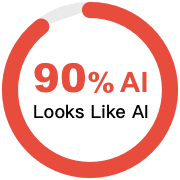
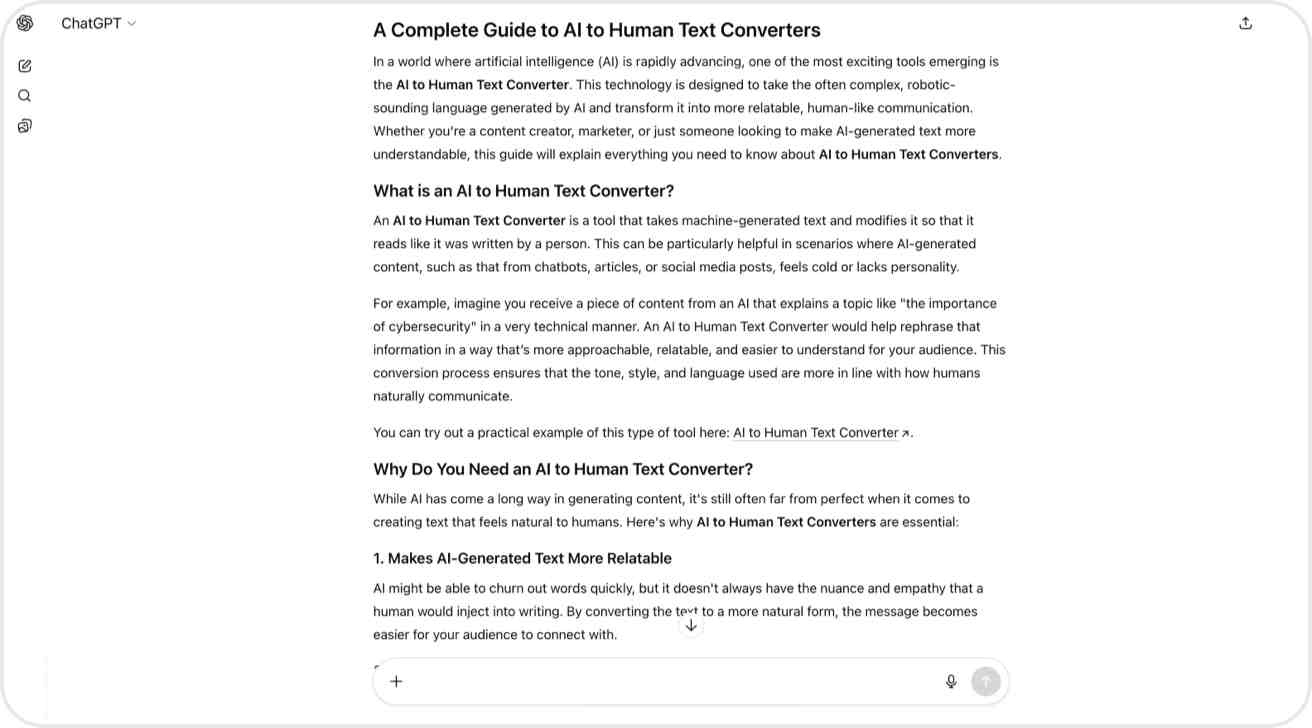

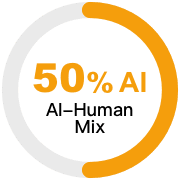






















 Dual Detection System
 Source Matching & AI Pattern Analysis
 Comprehensive Academic Verification

 February 04, 2026