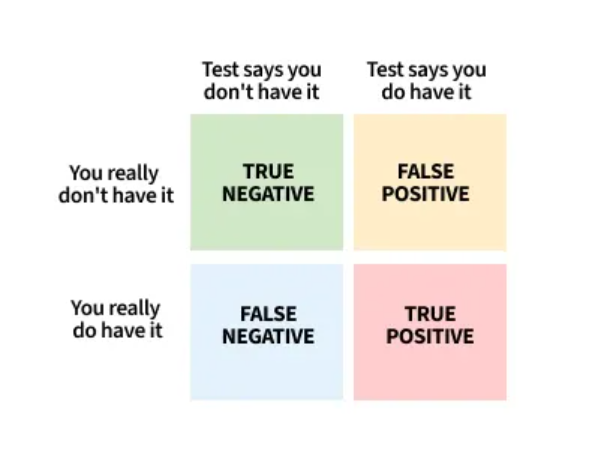
A student’s thesis shows 70% AI on Turnitin despite being written in front of their supervisor. ZeroGPT shows 4.7%. Discover why academic writing triggers false positives and what Reddit users reveal about Turnitin’s flaws.
Imagine spending months researching and writing your thesis, working in front of your supervisor who acknowledges your writing process, only to have Turnitin flag 70% of your work as AI-generated. This nightmare scenario happened to a graduate student who now faces thesis rejection despite having zero AI assistance beyond Python scripts for data collection.
The situation becomes more frustrating when alternative AI detectors like ZeroGPT show only 4.7% AI content, yet academic institutions continue relying on Turnitin’s flawed algorithm. Reddit users reveal a systemic problem where academic writing style itself triggers false positives, creating a crisis for students who write professionally.
Contents
The False Positive Crisis
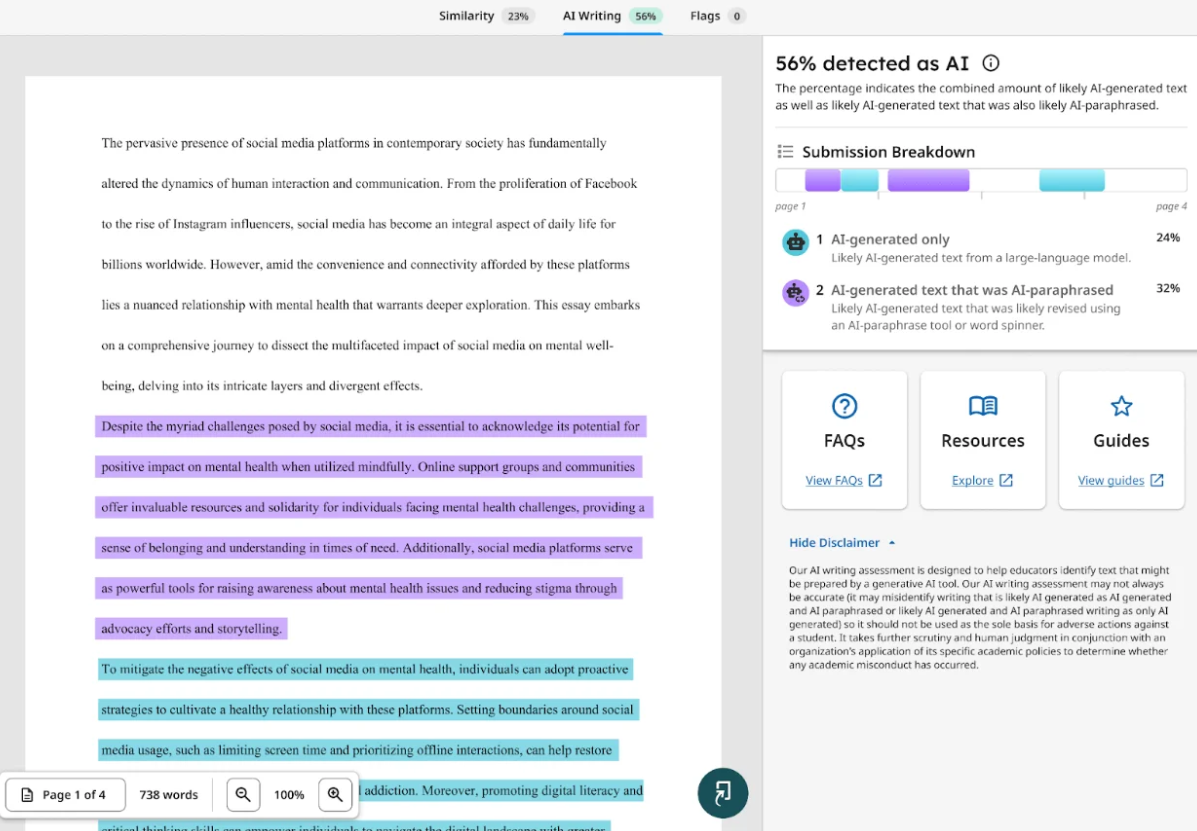
Turnitin’s AI detection algorithm appears fundamentally biased against academic writing styles. Students report that the more they attempt to fix flagged sections, the higher their AI detection percentage becomes, creating an impossible situation where legitimate academic work gets penalized for sounding too polished or professional.
One graduate student experienced this exact problem: their thesis showed 70% AI on Turnitin while ZeroGPT detected only 4.7%, demonstrating the inconsistency between different detection tools. The student wrote most of their thesis in front of their supervisor, who witnessed the entire writing process, yet the supervisor still refused submission based solely on Turnitin’s percentage.
Why Academic Writing Triggers False Positives
Academic writing follows specific conventions that AI detectors mistake for machine-generated content. Formal sentence structures, technical terminology, citation formats, and structured arguments all contribute to higher detection scores, even when the work is entirely original. The algorithm essentially penalizes students for writing well.
Reddit users point out that Turnitin’s training data likely includes academic papers, which means the tool struggles to distinguish between human-written academic content and AI-generated text that mimics academic style. This creates a fundamental flaw where the detector cannot reliably identify actual AI usage in scholarly contexts.
The Citation and Bibliography Problem
Bibliographies and in-text citations frequently trigger false positives, with users reporting that reference sections often show 100% AI detection. Common academic phrases, technical terms, and properly formatted citations all contribute to inflated scores that have nothing to do with actual AI usage.
One user mentioned that their bibliography alone caused significant detection issues, while another noted that field-specific terminology like “mg/kg” throughout their study triggered high plagiarism scores. These false flags force students to spend more time rewriting legitimate academic content than they spent on original research.
Pre-AI Papers Also Get Flagged
Perhaps the most damning evidence against Turnitin’s reliability comes from users who tested papers written before ChatGPT existed. One user ran a paper from six years ago through an AI detector and received 30% ChatGPT detection, proving that the tool cannot distinguish between human academic writing and AI-generated content.
Another user tested a paper written before 2019 and received 90% AI detection, demonstrating that academic writing style itself triggers false positives regardless of when the work was created. This evidence suggests that Turnitin’s algorithm fundamentally misunderstands what constitutes human versus AI writing in academic contexts.
Institutional Responses and Policy Failures
Many universities have either banned AI detectors or strongly recommended against their use due to high false positive rates. However, individual professors continue using these tools despite institutional warnings, creating situations where students face serious academic consequences based on unreliable technology.
Reddit users report that some universities have rejected AI detectors entirely because of false positive problems, yet professors persist in using them as sole evidence of academic misconduct. This disconnect between institutional policy and individual practice leaves students vulnerable to false accusations with limited recourse.
The Due Process Problem
Students have legal rights to due process when accused of academic misconduct, yet many professors bypass proper procedures by relying solely on AI detection scores. One user detailed how a professor attempted to give a student zero on an exam for suspected cheating without going through the office of student conduct, knowing that proper proceedings would likely rule in favor of the student.
The fact that professors hesitate to take these matters through official channels suggests they understand the weakness of AI detection as evidence. Yet students still face consequences when professors use these tools improperly, creating a system where unreliable technology overrides student rights.
Version History as Evidence
Students who write in Microsoft Word or Google Docs can access detailed version histories that document their writing process over time. These histories provide concrete evidence of original work, showing the evolution of ideas and gradual development of arguments that AI-generated content would not demonstrate.
However, some professors refuse to accept version history as proof, insisting that only Turnitin results matter. This creates an impossible situation where students have verifiable evidence of original work, yet institutions prioritize flawed automated detection over documented writing processes.
The Supervisor Witness Problem
In the case mentioned earlier, the student’s supervisor witnessed the entire writing process and acknowledged the work as original, yet still refused submission based on Turnitin’s percentage. This demonstrates how AI detection tools can override human judgment, even when supervisors have direct evidence of legitimate work.
The supervisor’s response highlights a broader issue: when professors rely exclusively on automated tools, they abdicate their responsibility to exercise critical thinking and professional judgment. The tool becomes the authority, regardless of contradictory evidence from human observation.
Proving the Tool’s Flaws
Reddit users suggest several strategies for demonstrating Turnitin’s unreliability. Running professors’ own published papers through the detector often reveals high AI percentages, proving that the tool cannot distinguish between legitimate academic writing and AI-generated content. This approach provides concrete evidence that the algorithm is fundamentally flawed.
One user recommended running pre-2019 papers through AI detectors to show false positives, as these papers predate ChatGPT and similar tools. Another suggested testing papers from committee members’ dissertations, which would demonstrate that even established academic work triggers false positives.
Multiple Detector Comparison
Comparing results across different AI detection tools reveals significant inconsistencies. When Turnitin shows 70% AI but ZeroGPT shows 4.7%, the discrepancy itself proves that these tools cannot provide reliable evidence. Students can use these comparisons to demonstrate that AI detection remains an unreliable technology.
However, some institutions refuse to accept alternative detector results, insisting that only Turnitin matters. This creates a situation where students have evidence of false positives from multiple sources, yet institutions maintain policies that ignore contradictory data.
Who Should Be Concerned
Any student writing academic papers faces potential false positive risks, particularly those who write in formal academic style or use technical terminology. Non-native English speakers may face additional challenges, as research shows AI detectors are biased against non-native writing patterns.
Graduate students working on theses and dissertations face the highest stakes, as false positives can delay graduation, damage academic relationships, and create permanent records of misconduct accusations. Students in programs that heavily emphasize formal academic writing styles are particularly vulnerable to false detection.
Best Practices for Protection
- Document your process: Use Word or Google Docs with version history enabled to track your writing development over time.
- Save multiple drafts: Keep dated versions of your work to demonstrate gradual development and revision processes.
- Test before submission: Run your work through multiple AI detectors to identify potential false positive issues early.
- Know your rights: Understand your institution’s policies on academic misconduct and due process procedures.
- Gather evidence: If facing false positive accusations, collect evidence from multiple detectors and document your writing process.
Common Mistakes to Avoid
- Relying solely on one detector: Different tools produce different results, so test with multiple detectors to identify inconsistencies.
- Accepting false positives without challenge: You have rights to due process and should not accept false accusations based on unreliable technology.
- Rewriting to lower scores: Attempting to fix false positives often increases detection percentages, creating worse problems.
- Ignoring version history: Document your writing process from the beginning to provide evidence if needed later.
Institutional Alternatives
Some universities have implemented better approaches to academic integrity that don’t rely on flawed AI detection. These include oral presentations where students explain their work, detailed analysis of what specific sections trigger detection, and human review processes that consider context rather than automated percentages.
Turnitin’s own training materials state that high AI scores should prompt discussion between professors and students, not serve as ultimate proof of misconduct. Yet many institutions treat these percentages as definitive evidence, ignoring the tool’s own guidance about proper usage.
Final Assessment
The Turnitin AI detection crisis represents a fundamental failure of technology being used inappropriately in academic settings. When students face thesis rejection despite writing in front of supervisors, when pre-AI papers trigger false positives, and when multiple detectors show contradictory results, the system itself is broken.
Students deserve protection from false accusations based on unreliable technology. Institutions must recognize that AI detectors cannot provide reliable evidence of misconduct, particularly when they flag legitimate academic writing styles as AI-generated. The current system penalizes students for writing well, which undermines the entire purpose of academic education.
Until institutions reform their policies and professors stop relying on flawed automated tools, students will continue facing false positive crises that threaten their academic careers. The solution requires human judgment, proper due process, and recognition that technology cannot replace critical thinking in academic integrity decisions.